
Whoa! This is one of those small shifts that ends up mattering a lot. I got pulled into this topic after watching a friend lose funds to a gas‑price replay on a chain he barely used, and it stuck with me. My instinct said there was a simple fix, but the reality is messier, and that tension is exactly why transaction simulation deserves more attention from DeFi users. Here’s what bugs me about most wallets: they show balances and nonce info, but they rarely let you confidently rehearse a transaction across multiple chains before you sign it.
Really? Yep. Transaction simulation is not just nerdy theater. It catches obvious stuff like failing contract calls, and also subtle problems like token approval races or slippage that swallows your sandwich. On one hand simulation can be as simple as “will this succeed?”, though actually it can and should surface gas estimations, simulation traces, and state diffs so you can see how contracts will touch your assets. Initially I thought “this is an engineering problem only”, but then I realized users need practical interfaces that translate traces into decisions they can act on. So yeah—this is both engineering and UX, and both matter.
Okay, so check this out—multi‑chain wallets complicate everything. They expand your attack surface across EVMs and non‑EVMs; they multiply approval vectors and increase the chance of mistaken chain selection. I’m biased, but when a wallet makes it easy to simulate a TX on the target chain before you sign, you save people from very expensive mistakes. Something felt off about wallets that only estimate gas without running a full dry‑run; an estimate is useful, but it doesn’t tell you whether a call will revert or drain tokens via a callback. Hmm… the more I dug the more edge cases appeared.
Short version: simulation helps you answer three questions before you hit confirm. Will it succeed? How much will it cost? What state changes will happen? Those are simple queries, though running them reliably across multiple chains takes coordination. Wallets that offer in‑depth simulation reduce cognitive load and lower the floor for safe DeFi interactions. But it’s not magic—simulation data can be misinterpreted, and UX choices matter a lot.
How simulation, risk assessment, and chain awareness work together
Simulation is the rehearsing step. Risk assessment is the interpretation. Chain awareness is the context. Combine them and you get a wallet flow that actually helps people avoid holes. Simulate to see the call trace. Then surface risk signals like unusual token approvals, contract creation, or cross‑chain bridging calls that touch liquidity pools. And finally, make sure you’re on the intended chain—simple but often missed. I’m not 100% sure we’ve nailed the perfect UX for presenting traces, though I’ve seen designs that come close by grouping signals into “red / yellow / green” buckets with quick explainers.
Here’s the thing. A trace alone isn’t helpful to a lot of users unless it’s translated into human terms. If a simulation shows a low‑level delegatecall sequence that ends in a transfer to an unknown address, you need an explanation: “This will send tokens to X if conditions Y are met.” Provide a short plain‑English summary, then offer the full trace for power users. Do that consistently across chains and you empower both Main Street and Silicon Valley types. Some wallets get this right, most don’t. The bad ones bury risk in logs that only developers can parse.
People ask me whether simulation slows things down. Short answer: not if implemented smartly. Remote RPC simulators can be fast. Local sandboxes are faster for end‑user clients when supported. Cache common contract ABIs and use batched eth_call sequences to speed up multi‑step simulations. On slower chains you can fall back to probabilistic heuristics while still flagging uncertainty for the user. In practice you want a confidence score, and you want it to be honest.
Also, never trust a single source for an approval check. Cross‑chain flows often involve multiple contracts, and a single malicious or buggy hop can ruin things. The wallet should show all approvals that a transaction implies, ideally with a one‑click revoke path. Wallets that tie into on‑chain explorers and revocation services win trust quickly. Oh, and this part bugs me: too many UIs show “Approve 0xABC…” with no context about spender behavior—very very important to explain who benefits.
What a practical multi‑chain simulation workflow looks like
Step one: capture the raw intent. The user picks a chain, an asset, and a destination or contract. Step two: build a preflight transaction that matches exactly what signing will produce. Step three: run the preflight as a read‑only call using the target chain’s state at the expected block. Step four: summarize the results with clear risk signals and a gas estimate range. Step five: let the user either proceed, tweak parameters (slippage, gas), or abort. Sounds obvious, but most wallets miss at least one of these steps.
Now, the implementation detail that matters: you need to simulate on the chain where the TX will execute, not on a proxy testnet or a different fork. Different chains have different gas behaviors, and cross‑chain bridges are notoriously stateful. If you support many chains, automate a reliable RPC selection strategy and fallback chains. Prioritize accuracy over speed when stakes are high. I’m candid here—it’s expensive to run, but the cost of not doing it is higher for users.
For power users, display a full EVM trace and the exact state diffs (storage changes, token transfers, logs). For casual users, surface the big red flags: token drains, large approvals, contract self‑destructs, or nested delegatecalls to unknown addresses. Offer a “why this matters” tooltip so people learn over time. Make errors actionable. Give them a revoke link or a safer path. That educates users and reduces help desk tickets.
And yes—automation is helpful. Wallets can auto‑simulate high‑risk transactions and require explicit confirmation for anything flagged as risky. But be careful: over‑automation creates fatigue and habituation, which lowers vigilance. Balance is key. My take? Use friction where it matters and speed where it helps.
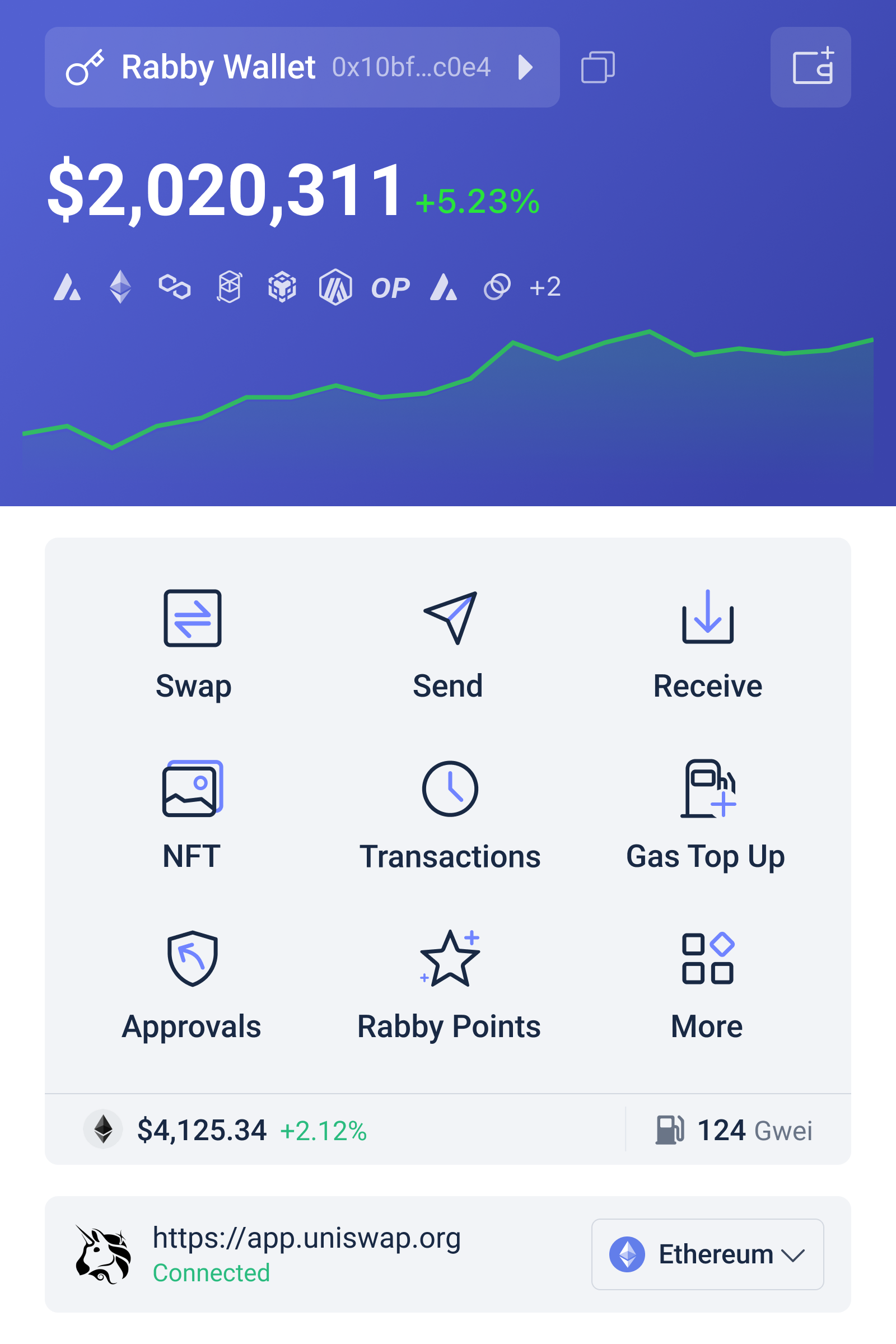
Okay, real quick note on tooling and ecosystem fit. If you’re evaluating wallets, check whether they integrate simulation into the signing flow and whether they support cross‑chain preflight. Look for clear risk labels and easy revoke options. For example, I’ve been testing a multi‑chain wallet that ties simulations and revocations together—it’s made my day‑to‑day DeFi moves a lot less nerve‑wracking. If you want to try a wallet built with transaction simulation and multi‑chain safety in mind, consider giving rabby wallet a spin; their flow highlights preflight checks and makes approvals transparent.
FAQ
Q: Can simulation prevent smart contract exploits?
A: Simulation reduces certain classes of exploits by showing how a transaction will behave against current state, but it cannot predict future state changes or external oracle manipulations. Treat simulation as a strong guardrail, not a silver bullet.
Q: Does simulation add noticeable latency to signing?
A: Typically no, if the wallet runs lightweight RPC calls or uses efficient remote simulators. There can be small delays on congested chains, but the tradeoff is worth it when funds are at risk.
Q: Are simulated results always accurate?
A: They’re accurate relative to the chain state at the time of the simulation. They can diverge if the mempool or state changes before execution. Good wallets show confidence levels and highlight assumptions so you know when to be cautious.
